Understanding Wärmepumpen: The Basics of Heating Technology
In recent years, the demand for sustainable heating solutions has surged, particularly as homeowners seek efficient and environmentally friendly alternatives to traditional heating systems. Among these innovations, wärmepumpen (heat pumps) have emerged as a frontrunner, offering a blend of energy efficiency, cost savings, and minimal environmental impact. If you’re considering upgrading your heating system or looking to reduce your energy bills, understanding the fundamentals of Wärmepumpen is essential. When exploring options, wärmepumpe kaufen can lead you to a vast array of choices tailored to your specific needs.
What is a Wärmepumpe?
A Wärmepumpe, or heat pump, is a device that transfers heat energy from one place to another, using a refrigeration cycle. Unlike conventional heating systems that generate heat through combustion of fuels, heat pumps utilize electricity to move heat from the outside air, ground, or water into your home, making them particularly efficient during milder weather. This technology takes advantage of the fact that even cold air contains some thermal energy that can be extracted and used for heating purposes.
Types of Wärmepumpen: Which One to Choose?
There are several types of Wärmepumpen, each suited for different applications and environmental conditions:
- Luft-Wärmepumpe (Air Source Heat Pump): This type extracts heat from the air outside and is often used for residential heating. It’s relatively easy to install and has lower upfront costs.
- Wasser-Wärmepumpe (Water Source Heat Pump): Ideal for properties near water sources, this system draws heat from groundwater or surface water.
- Erdwärmepumpe (Ground Source Heat Pump): Utilizes the stable temperature of the ground to provide heating and cooling. It typically requires more extensive installation but offers excellent energy efficiency.
How Wärmepumpen Work for Energy Efficiency
Wärmepumpen operate on the principle of heat transfer, using a small amount of electricity to move a large amount of heat. This high efficiency is often measured using the Coefficient of Performance (COP), which indicates how much heat a pump can produce per unit of electricity consumed. For example, a COP of 4 means that for every kilowatt of electricity used, the Wärmepumpe generates four kilowatts of heat. This efficiency can lead to significant savings on energy bills, particularly in well-insulated homes.
Benefits of Purchasing a Wärmepumpe
Cost Savings on Energy Bills with Wärmepumpen
One of the most compelling reasons to invest in a Wärmepumpe is the potential for substantial cost savings. Given their high efficiency, heat pumps can reduce heating costs by up to 50% compared to traditional heating systems. Furthermore, many regions offer various incentives and rebates, further lowering the initial investment. In essence, while the upfront costs may be higher than a conventional boiler, the long-term savings can make Wärmepumpen a financially wise choice.
Environmental Impact: Reducing Your Carbon Footprint
By switching to a Wärmepumpe, homeowners can dramatically decrease their reliance on fossil fuels, thus minimizing their carbon emissions. This shift not only contributes positively to the environment but also aligns with global efforts to combat climate change. The use of renewable energy sources in conjunction with Wärmepumpen can lead to a significant reduction in greenhouse gas emissions.
Government Incentives and Subsidies for Buying Wärmepumpen
Many governments worldwide recognize the benefits of heat pump technology and offer various incentives to encourage adoption. These can include tax credits, rebates, or low-interest loans to offset installation costs. It’s essential for potential buyers to research local programs and incentives, which can vary widely based on location and current policies.
Factors to Consider When Buying a Wärmepumpe
Evaluating Your Home’s Heating Needs
Before purchasing a Wärmepumpe, homeowners should assess their specific heating requirements. Key factors include the size of the home, insulation quality, and existing heating infrastructure. Performing a heat loss calculation can help determine the appropriate size and type of Wärmepumpe needed to effectively heat your space.
Energy Efficiency Ratings and What They Mean
When shopping for a Wärmepumpe, pay attention to its energy efficiency ratings. Devices with higher ratings (like A+++ under European standards) are more efficient and will save more on energy costs in the long run. Understanding the efficiency metrics helps in selecting a unit that meets both performance and budgetary needs.
Installation Considerations and Costs
Installation costs can vary based on the type of Wärmepumpe, the complexity of the installation, and the specific requirements of your home. Ground source heat pumps typically require more extensive groundwork and can be more expensive to install than their air-source counterparts. Always consult with a qualified HVAC professional to get accurate estimates and understand the installation process.
Common Misconceptions about Wärmepumpen
Are Wärmepumpen Expensive to Maintain?
A common misconception is that Wärmepumpen require expensive maintenance. In reality, with regular servicing, these systems are quite reliable and can last for decades. Maintenance typically involves cleaning filters, checking refrigerant levels, and ensuring the system operates efficiently.
Do Wärmepumpen Work in Cold Climates?
Many homeowners worry that Wärmepumpen will struggle to provide adequate heating in colder climates. However, modern units are designed to function efficiently even at low temperatures. Some models can still extract heat from the air when temperatures drop to -15°C (5°F) or lower, providing effective heating solutions year-round.
Dispelling Myths: Performance vs. Traditional Heating Systems
It is a misconception that Wärmepumpen cannot compete with conventional heating systems in terms of performance. In fact, with proper sizing and installation, many heat pumps can provide superior heating and cooling compared to gas or oil systems, thanks to their ability to manage temperature and humidity effectively.
The Future of Wärmepumpen: Trends to Watch in 2026
Innovative Technologies Shaping the Wärmepumpe Market
The Wärmepumpen market is undergoing significant technological advancements. Innovations such as hybrid systems that combine heat pumps with traditional heating options, improvements in energy efficiency, and smart technology integration are becoming more prevalent. These advancements enhance user control, efficiency, and system performance.
The Role of Wärmepumpen in Smart Homes
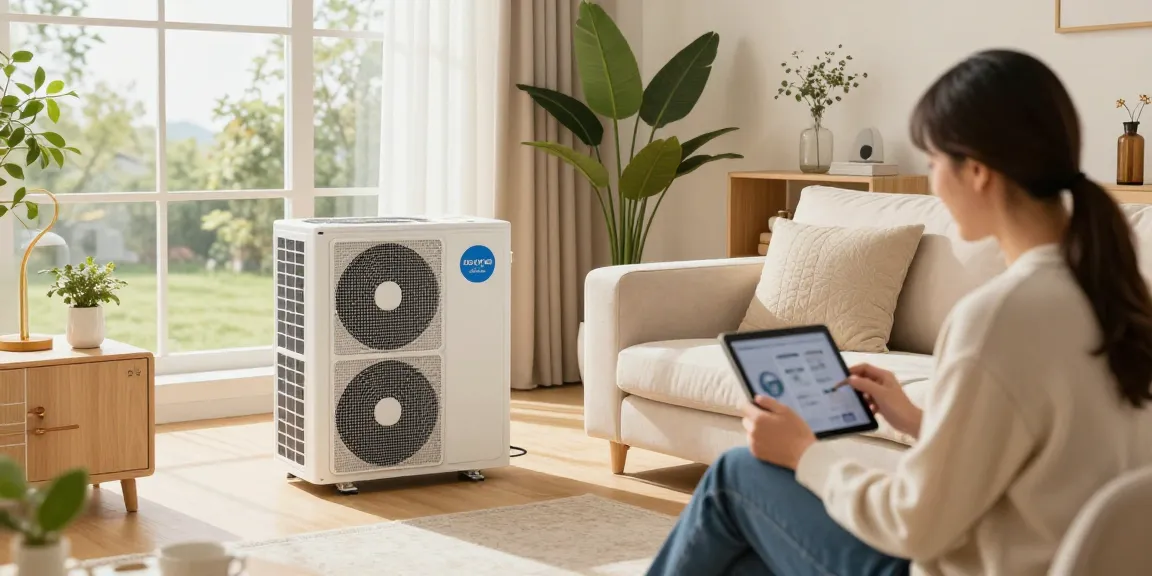
As homes become increasingly connected, Wärmepumpen are integrating with smart home systems. This integration allows homeowners to monitor and control their heating systems via smartphone apps, optimizing energy use in real-time. Such technology not only increases comfort but can also lead to additional energy savings.
Future Regulations and Sustainability in Heating Solutions
Regulatory frameworks are evolving to promote more sustainable heating solutions. By 2026, it’s anticipated that government policies will further incentivize the use of Wärmepumpen, pushing for stricter emissions standards and mandates for renewable energy sources. Staying informed about these regulations will be crucial for homeowners looking to invest in heating solutions.
What are the initial costs of a Wärmepumpe?
The initial costs of a Wärmepumpe can vary significantly based on factors like type, installation, and location. Generally, homeowners can expect to invest between €8,000 to €20,000 for installation, including the unit itself and associated labor.
How much can I save with a Wärmepumpe?
Savings can vary, but many homeowners report reductions in heating costs of approximately 30%-50% compared to traditional fuel heating systems. The actual savings will depend on energy prices, the efficiency of the unit, and your home’s heating demands.
Are there specific brands recommended for purchasing a Wärmepumpe?
Some reliable brands known for their Wärmepumpen include Viessmann, Bosch, and Stiebel Eltron. Researching customer reviews and performance ratings can also guide your purchasing decision.
How long does installation take for a Wärmepumpe?
Installation duration can vary based on the type of system and the specific site conditions but typically takes between two to several days. It’s essential to prepare your home for installation to minimize disruptions.
What maintenance is required for a Wärmepumpe?
Routine maintenance for Wärmepumpen includes cleaning filters, checking for refrigerant leaks, and ensuring the system is free of obstructions. Regular servicing by a professional can help extend the lifespan of your unit and maintain its efficiency.