
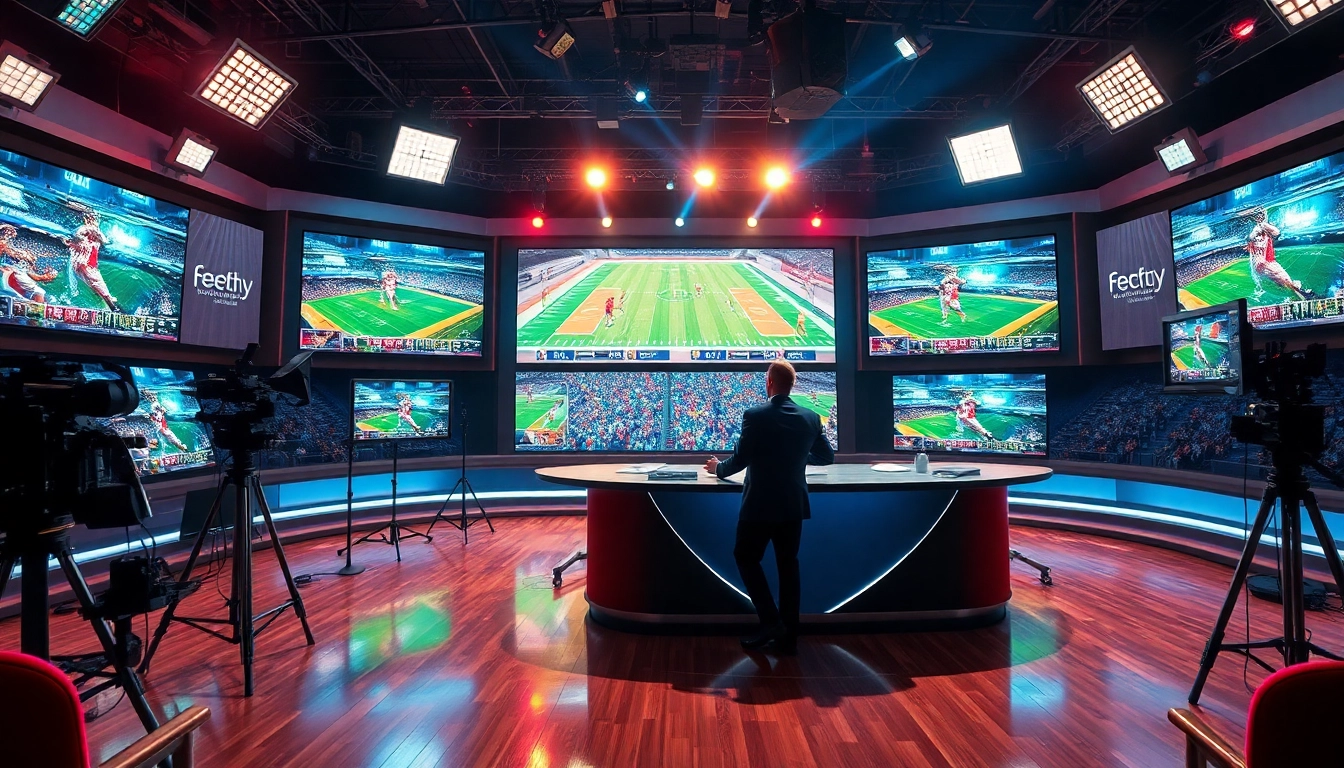
Sports Broadcasting plays a pivotal role in how fans engage with their favorite teams and events. As the landscape of entertainment continues to evolve, understanding the intricacies of sports broadcasting is crucial for anyone looking to excel in this field. From technological innovations to storytelling techniques, the nuances involved in delivering a sports broadcast can significantly influence audience perception and engagement. For a comprehensive exploration of this topic, let’s dive into the key elements that define sports broadcasting today, as well as future trends shaping its progression. Learn more about Sports Broadcasting by exploring the sections below.
Understanding Sports Broadcasting
The Evolution of Sports Broadcasting
Sports broadcasting has undergone a remarkable transformation since its inception. Initially, sports events were covered through radio broadcasts and simple text reports, primarily targeting local audiences. However, with the advent of television in the mid-20th century, sports broadcasting exploded into the mainstream. Today, the proliferation of the internet and mobile technology has further diversified how sports content is consumed, allowing global audiences to access events in real time. This evolution reflects not just changes in technology, but also shifts in consumer behavior and preferences.
Key Elements of Effective Sports Broadcasting
Effective sports broadcasting hinges on several core elements:
- Clarity: Commentators should deliver information crisply and clearly to keep the audience engaged.
- Personality: Broadcasters need to convey enthusiasm and establish a connection with the audience; their authenticity lies at the heart of a memorable broadcast.
- Knowledge: A deep understanding of the sport and players ensures that broadcasters can provide insightful commentary, enhancing viewer experience.
- Timing: Knowing when to interject with commentary, statistics, or background stories is crucial to maintaining the flow of the broadcast.
The Role of Technology in Sports Broadcasting
Technology is a driving force behind the development of sports broadcasting. From high-definition video to multi-angle replays, technological advancements enable a richer viewing experience. Mobile apps and social media platforms have also emerged as vital tools for real-time engagement, allowing fans to consume content tailored to their preferences. Moreover, data analytics tools assist broadcasters in generating insights that contribute to more informed commentary, meeting the demand for sophisticated and data-driven insights from audiences.
Core Techniques for Sports Broadcasting
Preparation and Research in Sports Broadcasting
Preparation is essential for successful sports broadcasting. Extensive research on teams, players, and upcoming matches ensures that broadcasters can provide relevant, timely information. This includes studying statistics, understanding team dynamics, and following player news. Additionally, being aware of current events in sports, including controversies or rule changes, allows broadcasters to add context to discussions, thus enhancing viewer understanding.
Storytelling Techniques for Sports Broadcasting
Storytelling is a vital skill in sports broadcasting. Engaging narratives can transform a mundane game into an unforgettable experience. Broadcasters should weave individual player stories, historical contexts, and dramatic highlights into their commentary, creating a tapestry that resonates with viewers. Notably, understanding audience demographics enables broadcasters to tailor their storytelling techniques to effectively capture their interests.
Interviewing Techniques in Sports Broadcasting
Interviews with players, coaches, or analysts are integral to sports broadcasting. It is critical for broadcasters to develop strong interviewing techniques. This entails asking open-ended questions that encourage detailed responses, as well as fostering an environment where interviewees feel comfortable sharing personal insights. Active listening skills also play a significant role; responding to answers with follow-up questions enriches the conversation and provides deeper insight into the subject matter.
Challenges in Sports Broadcasting
Dealing with Technical Issues
Technical issues are an inevitable part of sports broadcasting, whether it’s equipment failures, transmission problems, or unexpected glitches. Broadcasters must be prepared to adapt quickly, troubleshooting issues as they arise to ensure a seamless viewing experience. Having contingency plans and strong communication within the broadcast team is essential for minimizing impacts on the broadcast.
Managing Live Broadcasting Pressures
Live broadcasting presents unique challenges. Broadcasters need to think on their feet, responding to unpredictable scenarios while maintaining composure. Strategies to manage these pressures include thorough pre-event preparation, practicing key segments, and employing relaxation techniques to remain calm in the face of potential disruptions.
Ensuring Audience Engagement
Keeping the audience engaged is paramount in sports broadcasting. This can be achieved through interactive elements such as live Q&A sessions, polling viewer opinions, or incorporating social media commentary. Engaging visuals and dynamic graphics also contribute to a captivating broadcast, ensuring that viewers remain focused on the action unfolding on screen.
Best Practices for Successful Sports Broadcasting
Building a Strong Broadcast Team
A successful sports broadcast hinges on the collaboration of a strong broadcast team. Each member’s role must be clearly defined, from play-by-play announcers to analysts. Regular team meetings to discuss strategies, share insights, and streamline communication enhance team cohesion. Additionally, fostering a culture of diversity can lead to innovative perspectives on how sports stories are told.
Utilizing Social Media for Sports Broadcasting
Social media has revolutionized how sports are broadcast. It allows broadcasters to engage audiences before, during, and after events through real-time updates and interactive content. Building a strong social media presence helps to enhance traditional broadcasts, directing viewers to critical moments and driving discussions that extend beyond the game.
Metrics for Evaluating Sports Broadcasting Success
Metrics play a crucial role in evaluating the effectiveness of sports broadcasting. Key performance indicators (KPIs) such as viewership numbers, audience ratings, engagement rates on social media, and viewer feedback inform broadcasters of their performance. Analyzing these metrics can provide actionable insights into areas for improvement, driving future success in broadcasting endeavors.
Future Trends in Sports Broadcasting
Emerging Technologies in Sports Broadcasting
The future of sports broadcasting is intertwined with emerging technologies like virtual reality (VR) and augmented reality (AR). These technologies have the potential to enhance viewer immersion, allowing fans to experience the game from unique perspectives. Furthermore, artificial intelligence (AI) is increasingly being utilized in data analysis, enhancing commentary and offering insights in real time.
The Impact of Streaming Services on Sports Broadcasting
Streaming services have fundamentally changed how sports broadcasts are delivered and consumed. Fans now have the flexibility to watch games on various devices, leading to a surge in viewership for online platforms. Consequently, broadcasters need to adapt their strategies to these platforms, offering on-demand content and interactive experiences that cater to viewer preferences.
Globalization of Sports Broadcasting
The globalization of sports broadcasting has led to increased availability of international events. Fans can now follow teams and leagues from across the world, further interconnecting global audiences. Broadcasters need to be culturally aware and sensitive to audiences in diverse regions, tailoring their narratives and presentation styles accordingly to engage a broader fan base.
Frequently Asked Questions (FAQs)
What is sports broadcasting?
Sports broadcasting involves delivering live or recorded sports events through various media, including television, radio, and digital platforms. It combines commentary, analysis, and storytelling to enhance viewer engagement.
How has technology changed sports broadcasting?
Technology has dramatically transformed sports broadcasting by improving video quality, enabling real-time analytics, and facilitating interactive viewer experiences through streaming and social media integration.
What are common challenges in sports broadcasting?
Common challenges include technical difficulties during live events, managing broadcast pressures, and keeping the audience engaged amidst competition for attention from various media channels.
How important is storytelling in sports broadcasting?
Storytelling is crucial in sports broadcasting, as it helps create emotional connections, enhances audience interest, and provides context that elevates the viewing experience beyond mere gameplay.
What trends are shaping the future of sports broadcasting?
Future trends include the rise of streaming services, advancements in VR and AR technologies, and the globalization of sports, all of which are changing how audiences consume sports content.